

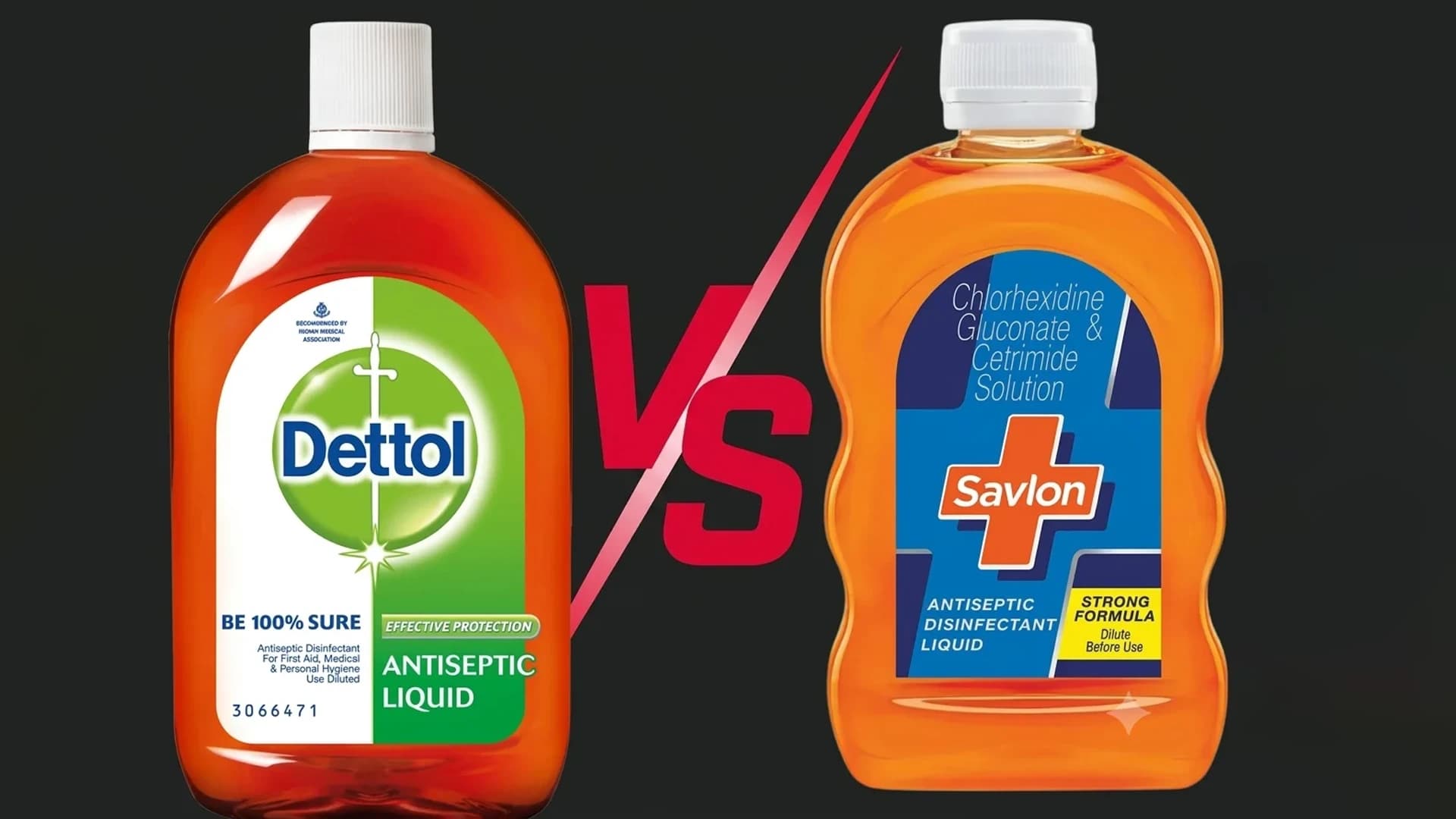
In branding, if a perceived weakness of a product can be transformed into a strength, it exemplifies effective marketing. A prime example of this can be seen in the marketing rivalry between Dettol and Savlon. Dettol products such as antiseptics, handwashes, and soaps are household staples across India. While Dettol commanded a massive market share and withstood challenges from numerous competitors, the landscape shifted significantly with the entry of Savlon antiseptic.
Savlon introduced a crucial feature a "No Sting" formula, ensuring that applying the antiseptic to a wound caused no burning sensation or pain. This selling point was effectively communicated to consumers through marketing campaigns. It offered a novel experience for customers, leading to an immediate preference for Savlon antiseptic.
Sales of Savlon antiseptic surged, driven significantly by its packaging and branding. Savlon’s modern packaging appealed to consumers, and its branding strategy was equally contemporary. As Savlon’s popularity grew, Dettol’s market share began to decline. To regain its standing, Dettol faced two options either launch its own "No Sting" antiseptic or introduce a new variant to its existing antiseptic liquid range.
However, Dettol approached this differently. Instead of altering its formula, the brand studied the Indian mindset and realized a common belief: that medicine is effective only if it tastes or feels bitter/harsh. Capitalizing on this insight, Dettol launched an ad campaign with the slogan "Jalega toh chalega" (It works only if it stings), conveying that a stinging sensation upon application meant the germs were actually being killed. Through this campaign, they transformed a potentially negative consumer experience into a positive one.
Consequently, consumers began to feel that Savlon’s antiseptic wasn't killing germs effectively because it didn't cause any stinging or pain. Dettol effectively turned Savlon’s greatest USP into a weakness. In marketing, this psychological strategy is known as "reframing."
The meaning of something can change depending on the context in which it is presented to the consumer. 'Pain' need not be viewed merely as a problem, it can be reframed as a sign that the antiseptic is working. This offers a crucial lesson for brands instead of competing directly against a rival's strength, it is often more effective to alter the consumer's perception.
In marketing, it is not always necessary to hide a weakness. Through effective storytelling and reframing, the same attribute can be given a different meaning because changing the consumer's perspective can sometimes be more impactful than changing the product itself.